

How THC Affects Your Body and Mind
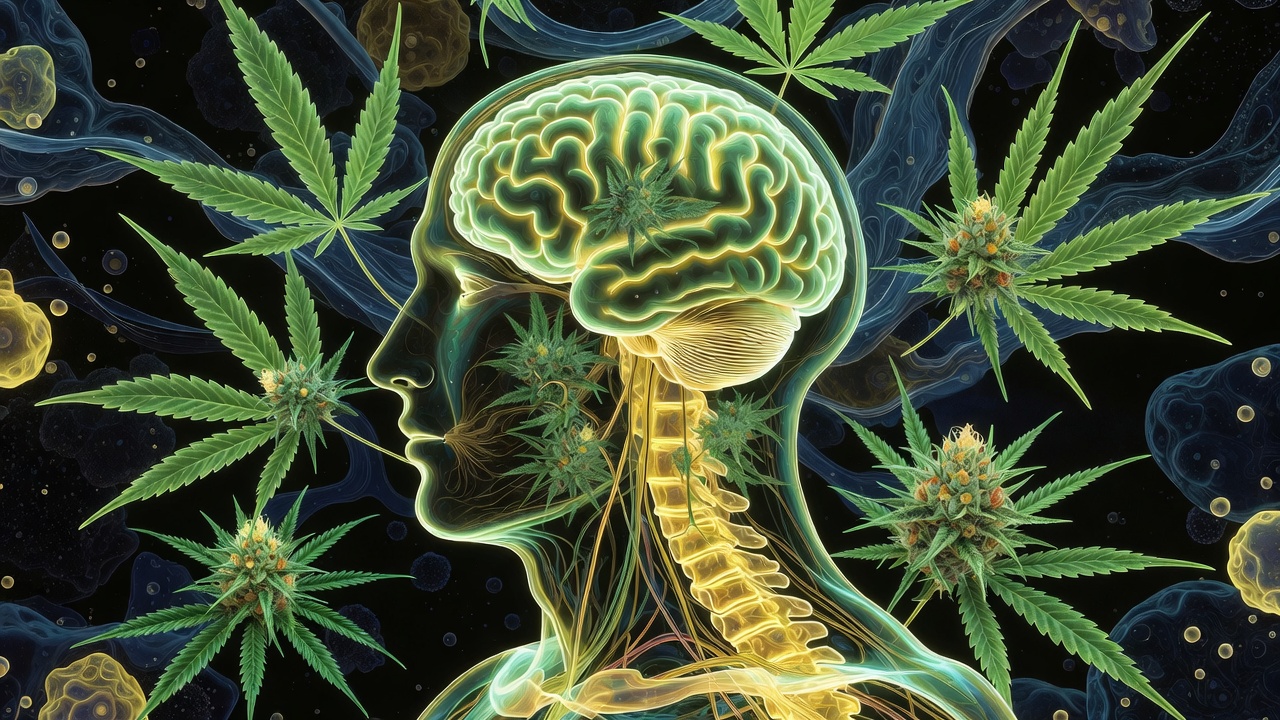
Exploring the science, experiences, and responsible approaches to one of nature’s most studied cannabinoids.
Table of Contents
THC, or Delta-9-tetrahydrocannabinol, remains the most well-known cannabinoid found in cannabis. As we move through 2026, with continued advancements in cultivation, extraction, and personalized wellness approaches, understanding how THC interacts with human physiology is more important than ever for conscious users.
The Science: How THC Works in Your Body
THC primarily interacts with the Endocannabinoid System (ECS), a complex cell-signaling network that plays a key role in maintaining balance (homeostasis) across various bodily functions including mood, sleep, appetite, pain sensation, and immune response.
When consumed, THC mimics the body’s natural endocannabinoids and binds primarily to CB1 receptors, which are densely concentrated in the brain and central nervous system. This interaction influences neurotransmitter release, creating the characteristic effects associated with cannabis use.
Research continues to explore these mechanisms, showing how THC’s partial agonism at CB1 receptors can lead to a cascade of responses throughout the body. 🌿
Short-Term Effects on the Mind
🌟 Commonly Reported Positive Effects
- Elevated mood and feelings of euphoria
- Enhanced creativity and sensory perception
- Deep relaxation and temporary stress relief
- Altered perception of time
- Greater appreciation for music, flavors, and art
⚠️ Potential Challenging Effects
- Anxiety or paranoia (dose-dependent)
- Short-term memory challenges
- Racing thoughts or mental fog
- Difficulty with focus or concentration
Effects typically onset within minutes when inhaled and may last 2–6 hours. Individual responses vary significantly based on factors like genetics, tolerance, and mindset.
How THC Affects Your Body
THC interacts with systems throughout the body:
- Pain modulation: May influence how the brain and spinal cord process pain signals.
- Appetite: Often stimulates hunger and enhances food enjoyment through hypothalamic pathways.
- Muscle relaxation: Many users report reduced physical tension.
- Sleep support: Certain profiles can promote relaxation conducive to rest.
- Nausea: Well-studied for its potential to help manage nausea sensations.
Different Consumption Methods = Different Experiences
Inhalation (Smoking/Vaping)
Fast onset (5–15 minutes), shorter duration. Allows for easier titration of dose.
Edibles
Slower onset (30–120 minutes), more intense and longer-lasting effects due to liver metabolism into 11-hydroxy-THC.
Tinctures & Oils
Moderate onset, precise dosing through sublingual or swallowed administration.
Topicals
Localized support with minimal to no psychoactive effects.
Tolerance, Dependence & Long-Term Considerations
With regular use, the body may develop tolerance as CB1 receptors downregulate. Many responsible users incorporate periodic tolerance breaks to help restore sensitivity.
While cannabis is widely regarded as having a favorable safety profile compared to many substances, heavy long-term use — especially beginning in adolescence — warrants attention regarding potential impacts on motivation, memory, and respiratory health when smoked.
The Importance of Dosage and Set & Setting
Modern cannabis products can be highly potent. The golden rule remains: start low and go slow. Your mindset (set) and physical/social environment (setting) significantly shape the experience.
Key Takeaways for 2026
- THC interacts uniquely with each person’s endocannabinoid system.
- Individual factors like genetics, tolerance, and consumption method matter greatly.
- Responsible, informed use is the foundation of positive experiences.
- Knowledge empowers safer, more intentional choices.
Conclusion
THC offers a fascinating window into the body’s natural regulatory systems. When approached with respect, education, and mindfulness, it can be part of a balanced wellness journey for many adults. As the industry continues evolving, staying informed remains the most valuable tool.
Frequently Asked Questions