

Sustainable Cannabis Cultivation – Eco-Friendly Trends
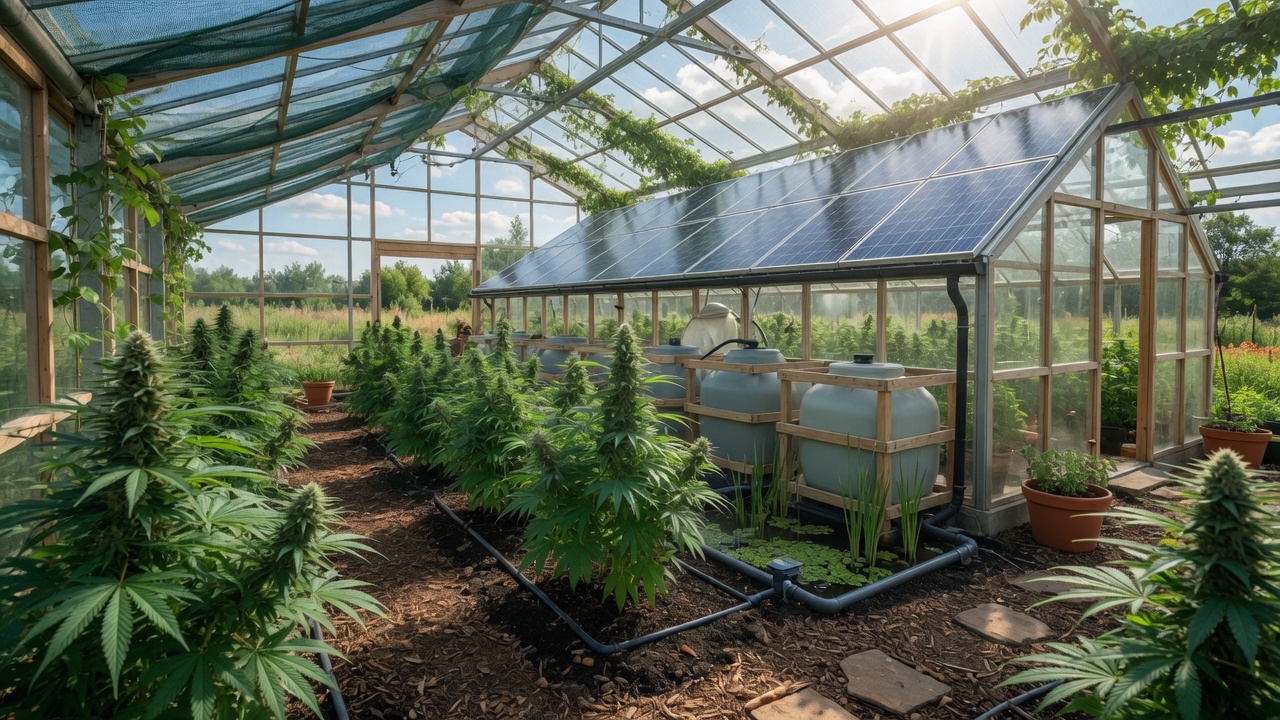
Sustainable Cannabis Cultivation – Eco-Friendly Trends in 2026
As the cannabis industry matures, sustainability has moved from a buzzword to a core value. Explore the groundbreaking practices defining responsible cultivation in 2026.
Table of Contents
- Why Sustainability Matters
- Top Sustainable Trends in 2026
- Regenerative Farming Practices
- Water Conservation & Smart Irrigation
- Energy-Efficient Indoor Growing
- Organic & Living Soil Methods
- Sustainable Packaging & Supply Chain
- Breeding for Sustainability
- How Consumers Can Support Green Cannabis
- The Future of Green Cannabis
- Frequently Asked Questions
Why Sustainability Matters in Cannabis Cultivation
The rapid expansion of the global cannabis market brings both opportunity and responsibility. Traditional cultivation methods can be resource-intensive, consuming significant water and energy while potentially relying on synthetic inputs.
In 2026, forward-thinking growers, brands, and consumers are prioritizing practices that protect ecosystems, enhance product quality, and build long-term viability for the industry. Sustainable cultivation not only reduces environmental impact but often results in cannabis with richer terpene profiles and cleaner cannabinoid expressions.
Top Sustainable Cannabis Trends in 2026
Regenerative Farming Practices
Regenerative agriculture goes beyond simply avoiding harm — it actively restores soil health, boosts biodiversity, and sequesters carbon from the atmosphere. Many premium cultivators now implement cover cropping, compost teas, no-till methods, and integrated pest management using beneficial insects.
These techniques build resilient soil ecosystems that require fewer external inputs over time, creating a virtuous cycle of environmental improvement.
Water Conservation & Smart Irrigation
Cannabis is a water-loving plant, but innovative systems are dramatically reducing consumption. Drip irrigation, soil moisture sensors, recirculating hydroponic setups, and drought-resistant genetics help Need Help facilities cut water usage by up to 70% compared to traditional methods.
Advanced monitoring technology ensures precise hydration while minimizing waste and runoff.
Energy-Efficient Indoor Growing
Indoor cultivation has transformed through high-efficiency full-spectrum LED lighting, AI-driven climate control, solar power integration, and sophisticated heat recovery systems. Many modern facilities now operate carbon-neutral or even carbon-negative.
Smart energy management not only lowers costs but significantly reduces the carbon footprint of premium indoor flower.
Organic & Living Soil Methods
The shift toward living soil beds rich with beneficial microbes and fungi produces exceptionally clean, flavorful cannabis. Compost-based systems and organic nutrient inputs eliminate synthetic runoff while enhancing plant resilience and terpene development.
Sustainable Packaging & Supply Chain
Brands are embracing biodegradable materials, recyclable glass, minimal plastic, and carbon-neutral logistics. Local sourcing and transparent supply chains further reduce the overall environmental impact of bringing products to consumers.
Breeding for Sustainability
Progressive breeders are developing resilient genetics that require less water, show stronger natural resistance to pests and mold, and complete flowering cycles more efficiently. These strains thrive in outdoor and greenhouse environments, reducing energy demands.
How Consumers Can Support Sustainable Cannabis
Choose Certified Products
Look for regenerative, organic, and carbon-neutral certifications.
Research Brands
Support companies that publish transparent sustainability reports.
Buy Local & Craft
Smaller craft growers often prioritize quality and environmental stewardship.
Prefer Outdoor/Greenhouse
When available, sun-grown cannabis typically has a smaller footprint.
Ask questions about growing practices. Conscious consumer demand drives meaningful industry change.
The Future of Green Cannabis
In 2026, sustainability has become a genuine competitive advantage. Companies investing in eco-friendly practices are earning the loyalty of informed consumers who value both exceptional quality and planetary health.
The most promising development? Sustainable methods frequently yield cannabis with superior terpene complexity, smoother consumption experiences, and more consistent effects — proving that what’s good for the Earth is often better for the end user.
Key Takeaways
- Regenerative agriculture builds healthier soil and sequesters carbon
- Smart technology dramatically reduces water and energy consumption
- Living soil methods produce cleaner, more flavorful cannabis
- Breeding for resilience creates more sustainable genetics
- Consumer choices directly influence industry practices
Frequently Asked Questions
It focuses on actively improving soil health, increasing biodiversity, and capturing atmospheric carbon rather than just maintaining current conditions.
Premium sustainable products may carry a higher price reflecting better growing practices, but many consumers find the quality justifies the investment.
Look for third-party certifications, detailed sustainability reports, and transparency about cultivation methods. Genuine brands are proud to share their practices.
Join the movement toward more conscious cannabis consumption.